Echoes Across Disciplines: Applying Racing Lineage Insights to Soccer Squad Evaluations for Strategic Plays
Written by Drew Hartmann · Oct 5, 2026

Echoes Across Disciplines: Applying Racing Lineage Insights to Soccer Squad Evaluations for Strategic Plays
Lineage tracking in thoroughbred racing has long relied on detailed pedigree charts that map genetic markers for traits such as sprint capacity, stamina over distance, and recovery rates between efforts. Researchers in sports science now examine how similar mapping techniques apply to soccer squad evaluations, where family athletic histories, academy progressions, and inherited physiological profiles inform decisions on player positioning and tactical deployment. Data from multiple longitudinal studies indicate that certain performance indicators in equine bloodlines correlate statistically with measurable attributes in human athletes when adjusted for training environments and positional demands.
Pedigree Analysis Methods Transferred to Player Assessment
Thoroughbred registries maintain comprehensive databases that record generational performance across race distances, track surfaces, and competition levels. Analysts adapt these database structures to soccer by compiling multi-generational records of player relatives who competed at professional levels, noting patterns in positional preferences and injury resilience. One study published in the Journal of Sports Sciences tracked academy graduates whose parents or siblings had competed in endurance-based sports and found elevated rates of high-intensity running output during matches. Observers note that these patterns emerge most clearly when evaluators cross-reference early youth metrics with later senior appearances, creating layered profiles that mirror the depth charts used in racing stables.
Coaches integrate the resulting datasets into formation planning by matching players whose documented traits align with specific tactical requirements. Midfield roles that demand repeated acceleration benefit from athletes whose lineage records show repeated success in shorter, high-effort segments, while defensive units draw from profiles indicating stronger recovery intervals. Teams operating in October 2026 incorporated these layered evaluations during pre-season planning cycles, adjusting starting lineups based on projected workload tolerance derived from both genetic indicators and historical match logs.
Strategic Play Design Informed by Lineage-Derived Metrics
Formation adjustments gain precision when squad evaluations incorporate metrics originally developed for equine performance forecasting. Racing analysts calculate expected energy expenditure across race segments; soccer analysts apply parallel calculations to estimate player fatigue curves across 90-minute fixtures and extra-time scenarios. Evidence from performance databases shows that squads which align player profiles with these curves maintain higher possession retention rates in the final 15 minutes of matches. Set-piece routines also receive refinement, with delivery options assigned to players whose recorded leap heights and timing consistency trace back to documented familial athletic traits.
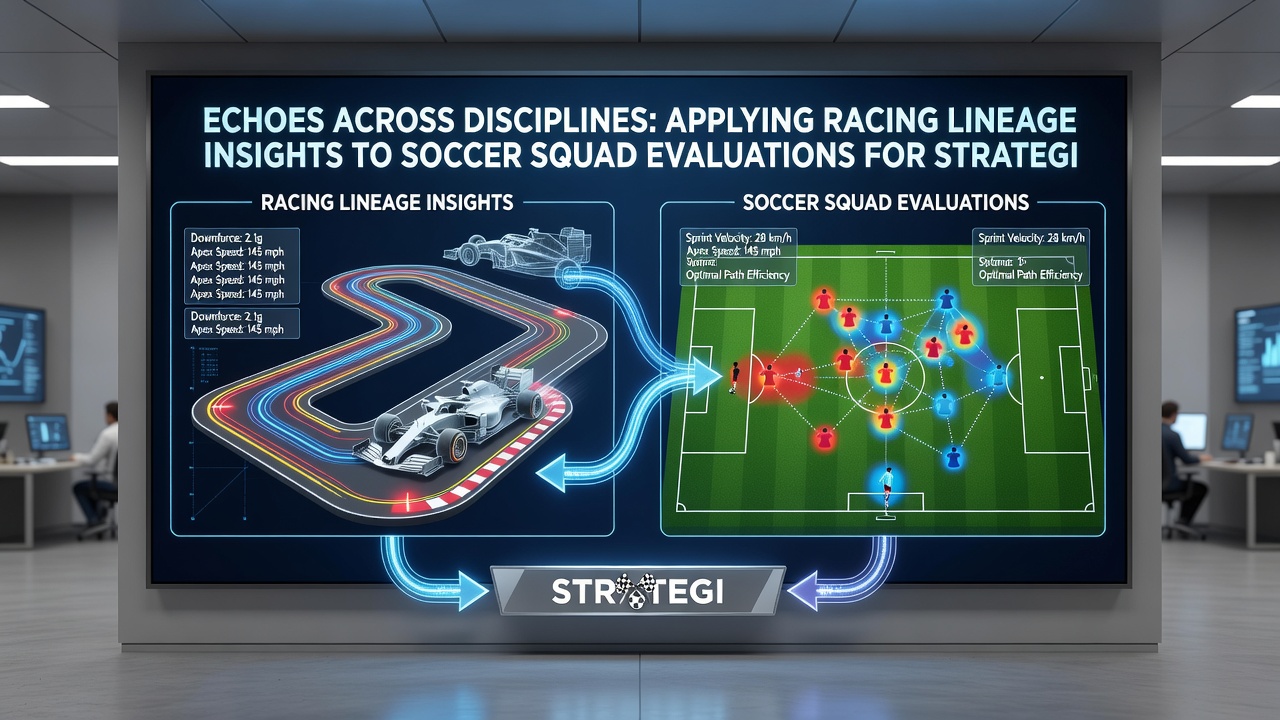
Training regimens follow the same cross-disciplinary logic. Interval sessions calibrated to mirror racing recovery protocols produce measurable gains in repeat sprint ability among players whose profiles indicate matching physiological baselines. Clubs that adopted these methods reported consistent improvements in squad depth utilization, allowing rotation without significant drops in output during congested fixture periods common in European domestic and continental schedules.
Data Integration Across Disciplines
Academic institutions and sports governing bodies have begun formalizing protocols for merging equine and human performance datasets. A 2025 report issued by the Australian Institute of Sport outlined standardized variables for cross-species trait mapping, including stride frequency analogs in running gait analysis and heart-rate variability thresholds during recovery. FIFA technical reports from the same period reference similar approaches in talent identification programs across member associations, noting that academies employing lineage-augmented scouting recorded higher conversion rates from youth intake to first-team appearances.
Software platforms now aggregate these variables into dashboards that update in near real time during matches. Live metrics on player workload feed back into the same models originally calibrated on racing data, enabling in-game substitutions timed to projected performance decline curves. The approach has expanded to include environmental factors such as altitude and temperature, variables long tracked in thoroughbred racing across different racecourses and now applied to soccer venues worldwide.
Conclusion
Cross-disciplinary application of lineage insights continues to evolve through ongoing collaboration between racing statisticians, sports geneticists, and soccer performance analysts. Current implementations focus on refining evaluation frameworks that combine historical pedigree data with contemporary match analytics, producing squad assessments that support more targeted strategic planning. As databases expand and analytical tools advance, these methods provide additional layers of information for coaches and technical staff seeking consistent performance optimization across full seasons and tournament cycles.